Sharara vs Gharara vs Farshi — what's the difference?
Sharara vs Gharara vs Farshi: What's the Difference (and Which One Actually Suits Your Occasion)?
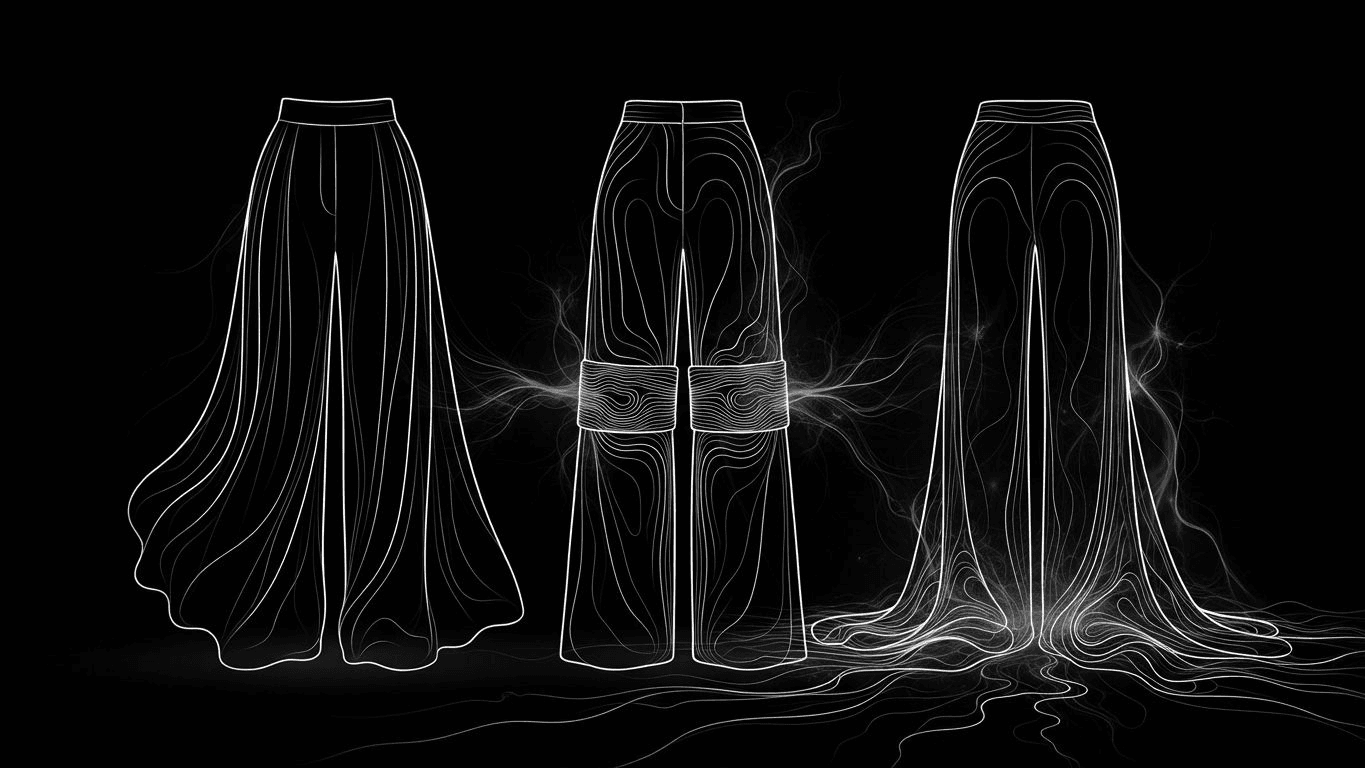
If you've ever stood in front of a festive outfit and genuinely couldn't tell whether it was a sharara, a gharara, or a farshi, you're not alone. The confusion is real, and it matters: choosing the wrong silhouette for your body type or occasion can throw off an entire look. The core answer is this: sharara vs gharara vs farshi differences come down to one thing, where the flare begins. Sharara flares from the waist. Gharara flares at the knee. Farshi flares about 5 inches below the knee and trails on the floor. Everything else, fabric choice, embellishment, occasion fit, follows from that single structural difference.
Key Takeaways
- Sharara: Flare begins at the waist or hips, creating a continuous wide-leg silhouette with no seam or band
- Gharara: Fitted from waist to knee, then dramatically flared below a distinct knee band (often gota lace)
- Farshi: Fitted through thigh, straight below the knee for roughly 5 inches, then trails on the floor
- Fabric difference: Traditional gharara uses around 12 meters of fabric; sharara and farshi use less but still require generous cuts
- Occasion fit: Sharara is the most versatile; gharara is wedding-ready; farshi is reserved for formal, high-drama events
WAIST   [SHARARA FLARE]
        │
THIGH   │
        │
KNEE    [GHARARA FLARE]
        │
ANKLE   [FARSHI FLARE]
        │
FLOOR   [FARSHI TRAIL]
Visual mapping of flare origin points for Sharara, Gharara, and Farshi styles.
What Is a Sharara, Exactly?
A sharara is a wide-legged bottom that flares continuously from the waist or hips downward, with no interruption, no knee seam, and no gathering point. According to Lashkaraa, a sharara is completely flared from the waist down with no knee joint or band, making the leg look like a continuous, wide skirt or palazzo pant.
This unbroken flare is what makes sharara the most wearable of the three silhouettes. It moves like a skirt but wears like a pant. You can pair it with a short kurta for a casual festive look, or with a heavily embroidered anarkali for a wedding-adjacent outfit. The silhouette is forgiving across body types because the flare starts high enough to balance proportions without cinching at the knee.
The sharara is also the easiest to walk in. There's no knee restriction, no trailing hem to manage. If you're attending a multi-event wedding weekend, a sharara set gives you the ethnic drama without the logistical challenge of a farshi.
What Makes a Gharara Different From a Sharara?
The gharara is where the structural complexity ramps up. According to Lashkaraa, a gharara is tight and fitted from the waist down to the knee, then wide and flared below the knee, with the flare starting at a distinct knee seam or band. That knee seam is the defining detail: it's a separate panel of fabric that's gathered and attached at the knee, creating an almost skirt-within-a-pant effect.
According to CBazaar, a thick band of contrasting gota lace is placed right above the knees, marking the joint where fabric is gathered to flow down into the flare to the toes. This gota band isn't decorative afterthought. It's structural. It holds the gathered lower panel in place and defines the gharara's silhouette.
Traditional gharara construction historically uses about 12 meters of fabric for one outfit, reflecting its heavy flare and multiple panels. That volume is what gives gharara its characteristic grandeur at weddings and formal events. It's heavier to wear, more structured, and significantly more formal than a sharara.
What Is a Farshi, and Why Is It the Most Dramatic of the Three?
Farshi is the silhouette most people confuse with gharara because both have a fitted upper leg. The critical difference is where the flare begins and how far it goes. According to Ellen School, in farshi pajama and farshi gharara, the pant is fitted till the thigh and straight for roughly 5 inches below the knee before the flare (ruches) begins.
That 5-inch straight section before the flare is what separates farshi from gharara. In a gharara, the flare kicks in right at the knee. In farshi, the leg stays straight a little longer, then opens into a floor-trailing hem. According to Ellen School, farshi garments are designed to be floor-touching and trailing, with the fabric intentionally pooling on the floor, giving it the most dramatic length among the three.
The farshi silhouette is rooted in Nawabi and Mughal court aesthetics, where trailing hems signaled status. Today, it shows up most often at high-formality weddings, qawwali nights, and cultural performances. It's not a practical everyday choice: you're actively managing the hem when you walk. But for seated ceremonies or stage settings, the visual impact is unmatched.
Sharara vs Gharara vs Farshi: A Direct Comparison
| Feature | Sharara | Gharara | Farshi |
|---|---|---|---|
| Flare starts at | Waist / hips | Knee (distinct seam) | 5 inches below knee |
| Knee seam / band | None | Yes (often gota lace) | None |
| Hem length | Ankle to floor | Floor | Floor-trailing |
| Fabric volume | Moderate | Very high (up to 12m) | High |
| Mobility | High | Moderate | Low |
| Best occasion | Casual festive, mehendi | Wedding, engagement | Formal ceremony, stage |
| Body type consideration | Works for all | Elongates the leg | Best for tall frames |
According to Ellen School, sharara flare begins from the waist or hips, gharara flare begins exactly at or just above the knee, and farshi flare begins around 5 inches below the knee. These three vertical positions are the only reliable way to tell the three apart when you're standing in a store or scrolling through a catalog.
  SHARARA      GHARARA      FARSHI
    /\           ||           ||
   /  \          ||           ||
  /    \        ====          ||
 /      \      /    \        ====
/        \    /      \      /    \
|________|    |______|     /      \
                          /________\
Comparative silhouettes showing structural differences in flare and joint placement.
How to Choose Between the Three for Your Occasion
For a mehendi or haldi: Sharara is the right call. The high flare means you can sit on the floor, move around, and dance without managing your hem. A printed or embroidered sharara set in cotton or rayon keeps things festive without the weight of a wedding-day outfit.
For a wedding ceremony or engagement: Gharara earns its place here. The fitted knee section creates a structured, formal silhouette that photographs beautifully. The gota band at the knee is a natural focal point for embellishment. If you're a guest rather than the bride, gharara hits the formality mark without competing with bridal-level drama.
For a formal cultural event or stage performance: Farshi is built for exactly this. The trailing hem reads as intentional and ceremonial in a seated or staged context. Walking in it requires practice, but the visual payoff in photographs and video is significant.
For a destination wedding or multi-day event: Sharara again. It packs better, moves better, and works across more sub-events than the other two.
The Body Type Question Nobody Answers Directly
Most style guides say "all silhouettes work for all bodies," which is technically true but practically useless. Here's the honest breakdown.
Sharara is the most forgiving because the flare starts at the natural waist or hip, creating a balanced A-line effect from the torso down. It works particularly well for pear-shaped figures because it doesn't draw attention to the knee or thigh.
Gharara's fitted upper leg can feel constricting if you're between sizes or carry weight in the thigh. The knee seam also visually shortens the leg slightly, so it works best on taller frames or when paired with a short kurta that shows the ankle.
Farshi's long straight section below the knee creates a lean, elongated line that flatters tall figures most. On petite frames, the trailing hem can overwhelm the silhouette entirely.
Frequently Asked Questions
Is a sharara the same as a palazzo pant?
No. A palazzo pant is a Western silhouette with a wide leg cut from the hip, typically in a straight or slightly flared cut. A sharara is an Indian ethnic bottom with a more pronounced flare and is traditionally worn with a kurta or short tunic as part of a coordinated set. The cultural context and construction are different even when the visual width looks similar.
Can you wear a gharara without the gota band?
Yes, contemporary gharara designs sometimes use embroidery or a subtle seam instead of a visible gota band. The structural knee seam is still present, but the decorative treatment varies. If there's no knee seam at all, it's a sharara, not a gharara, regardless of what the product label says.
What fabric works best for each silhouette?
Sharara works in almost any fabric, from cotton and rayon for casual events to silk and georgette for weddings. Gharara traditionally uses heavier fabrics like silk, brocade, or chanderi to support the volume of the lower panel. Farshi works best in fabrics with some weight and drape, like georgette or crepe, so the trailing hem falls smoothly rather than bunching.
How do you walk in a farshi without tripping?
The standard technique is to hold the hem slightly to one side when walking, similar to how you'd manage a long bridal lehenga. On a stage or at a seated ceremony, this isn't a concern. For events where you'll be on your feet for extended periods, gharara or sharara is the more practical choice.
Is farshi gharara different from farshi pajama?
Yes, though both fall under the farshi category. Farshi pajama refers to the bottom garment alone, while farshi gharara typically refers to the full set including the kurta and dupatta. The construction of the lower silhouette (fitted thigh, straight below knee, trailing flare) is the same in both.
Where does Youthnic's sharara set fit in this framework?
The Grey Silk Blend Embroidered Kurta Sharara With Dupatta Set from Youthnic is a classic sharara: the flare begins from the waist, the leg is uninterrupted, and the silhouette reads as festive without the formality of a gharara. It's the right pick for weddings where you're a guest, not the bride.
Explore These Looks at Youthnic
If you're shopping with this silhouette knowledge in mind, the Grey Silk Blend Embroidered Kurta Sharara With Dupatta Set is a strong starting point: the waist-down flare, silk blend fabric, and intricate embroidery hit the sharara brief exactly. For a more relaxed festive option that still carries ethnic drama, the Teal Rayon Anarkali Kurta Set With Digital Print Dupatta pairs an anarkali silhouette with a statement dupatta, a great alternative when you want the volume without managing a flared pant.
Explore more from Youthnic at Youthnic
========================================
       STAY STYLISH WITH YOUTHNIC
    Ethnic | Contemporary | You
========================================
Youthnic: Your destination for ethnic and contemporary style.