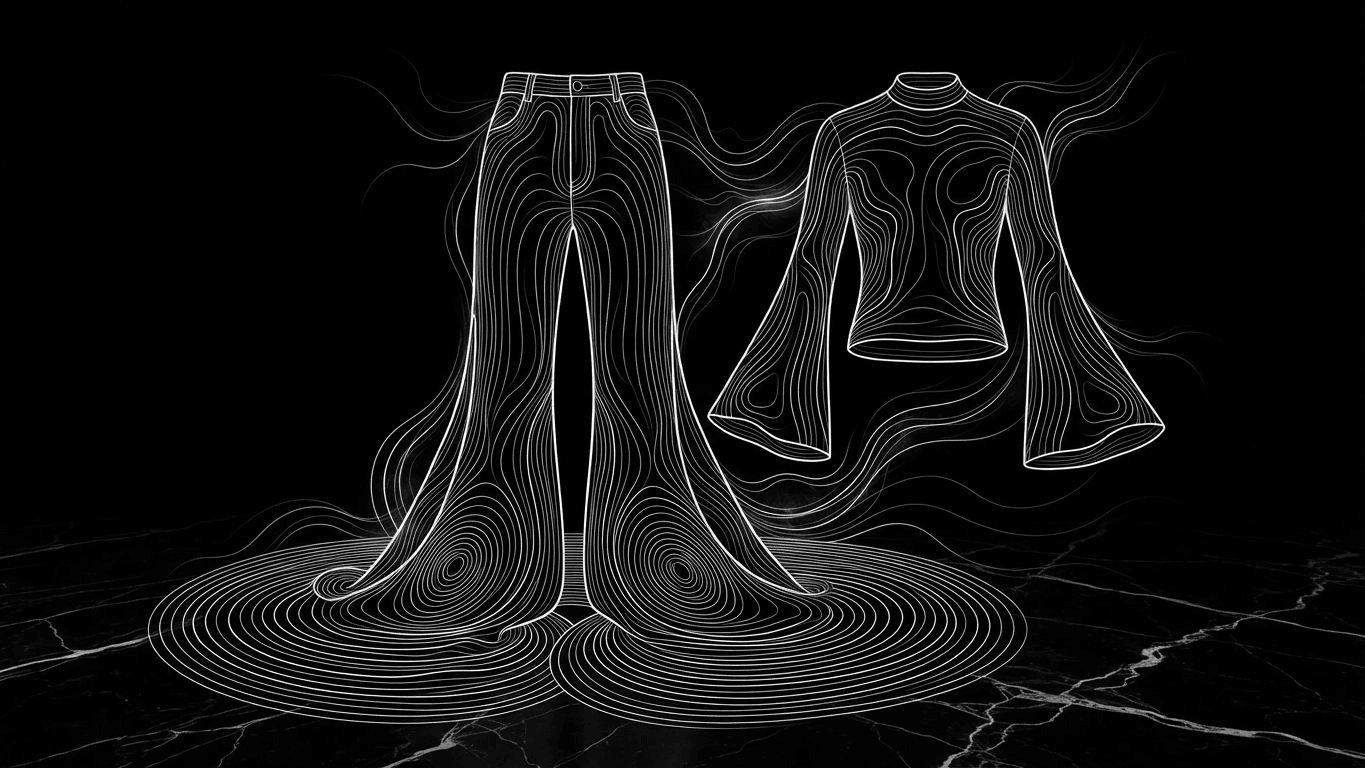
What is a Farshi Set and how does Youthnic style it as a fusion of Indian and contemporary fashion?
What Is a Farshi Set and How Does Youthnic Style It as a Fusion of Indian and Contemporary Fashion?
A Farshi Set is a traditional Indian ensemble built around the farshi pajama, a dramatically floor-length bottom garment with a voluminous, trailing hem that originated in Mughal-era royal courts. Youthnic styles it as a fusion of Indian and contemporary fashion by pairing the classic farshi silhouette with modern co-ord cuts, digital prints, and everyday-wearable fabrics, bringing a piece of court heritage into your regular rotation without the formality of a full bridal look.
Key Takeaways
- A farshi set is a three-piece traditional ensemble: kurta, dupatta, and farshi pajama/salwar
- The farshi pajama historically uses 9 to 15 yards of fabric to create its signature floor-grazing flare
- It originated in the Mughal courts of 17th-century Awadh (Oudh) as elite women's dress
- Modern farshi sets use fabrics like georgette, chiffon, and organza to update the silhouette
- Youthnic's take combines wide-flared-sleeve kurtas with farshi-style pants in co-ord formats, making the look accessible and wearable for 2026
What Exactly Is a Farshi Set?
A farshi set is a three-piece Indian outfit consisting of a long kurta (the upper shirt), a dupatta (the draped stole), and the farshi pajama or salwar as the defining bottom piece. According to Wikipedia, the farshi ensemble is this specific combination of three garments, with the pajama being the component that gives the entire look its identity.
What makes the farshi pajama distinct from any other salwar is its sheer volume and length. The hem is floor-length and, in traditional styling, trails several feet behind the wearer like a soft train. That effect requires serious fabric: The Fashion Station reports that a traditional farshi salwar/pajama set uses 9 to 15 yards of fabric in the bottom garment alone to achieve its signature voluminous flare. That is more fabric in a single trouser than most full-length gowns use in total.
The result is a silhouette that moves with genuine drama. When you walk, the hem fans out and follows you. When you stand still, the gathered fabric pools around your feet in concentric folds. That visual weight is the entire point of the garment.
FABRIC VOLUME COMPARISON (Yards)
Standard : [██] 2-3
Farshi   : [██████████] 9-15
Effect   : Straight ──────▶ Dramatic Flare
Comparative yardage and resulting flare effect between styles.
Where Does the Farshi Set Come From?
The farshi pajama is not a recent fashion invention. Origin accounts date the farshi shalwar to the 17th-century Mughal era, when it became popular among noble women across the Indian subcontinent.
Its most specific cultural home was the courts of Awadh (Oudh) in what is now Uttar Pradesh. The Fashion Station notes that the farshi pajama was worn in the courts of Oudh by queens and ladies of the privileged classes of Uttar Pradesh, marking it firmly as elite court dress. This was not everyday clothing. The volume of fabric required made it impractical for physical labor, which is exactly why it signaled status. You wore a farshi pajama when your position meant you did not need to move quickly.
That court context explains why the farshi set still carries a ceremonial weight today. When you put one on, you are wearing a silhouette that was engineered for presence, not practicality.
┌────────────┐    ┌────────────┐    ┌────────────┐    ┌────────────┐
│ 17th Cent. │──▶ │ Awadh      │──▶ │ 20th Cent. │──▶ │ 2026       │
│ (Mughal)   │    │ Royalty    │    │ Bridal     │    │ Fusion     │
└────────────┘    └────────────┘    └────────────┘    └────────────┘
Chronological evolution of Farshi garments through history.
How Has the Farshi Set Evolved for Modern Fashion?
The farshi set stayed largely within formal and bridal contexts for most of the 20th century. What changed in the last decade is the fabric and the format.
According to Zawa Boutique, modern designers have reimagined farshi sets using contemporary fabrics including jamawar, velvet, chiffon, and organza to merge traditional silhouettes with current fashion materials. Each of those fabrics changes the character of the look. Velvet makes it richer and more formal. Chiffon and organza make it lighter and more fluid, which means it moves differently and photographs better. Georgette, a fabric Youthnic works with extensively, sits in the sweet spot: it has enough body to hold the flare while staying light enough for all-day wear.
The second shift is the occasion scope. Zawa Boutique also notes that farshi sets are now positioned as ideal for weddings, formal events, and heritage-inspired fashion shoots, which means the silhouette has moved from exclusively bridal to a broader category of occasion wear. That shift opened the door for brands to style the farshi shape in ways that are less about ceremony and more about personal expression.
What Does a Youthnic-Style Farshi Set Actually Look Like?
Youthnic's approach to the farshi silhouette treats it as a co-ord problem, not a bridal one. A Youthnic-style farshi co-ord is described as a two-piece set combining a wide-flared-sleeve kurta with farshi-style pants featuring exaggerated flare and floor-grazing length, blending Indian silhouettes with modern co-ord styling, as seen on Youthnic's Instagram.
That is a meaningfully different construction from the traditional three-piece. By removing the dupatta as a required component and framing the outfit as a co-ord, Youthnic repositions the farshi silhouette as something you can style the way you would any modern set. Wear it with a minimal bralette underneath for an evening out. Layer a fitted jacket over it for a more structured look. The floor-grazing flare is still there. The trailing drama is still there. But the styling vocabulary is completely contemporary.
The wide-flared sleeve on the kurta is the detail that ties the two pieces together visually. Both the sleeve and the pant flare outward from a fitted point, creating a symmetrical silhouette that reads as intentional rather than traditional. It is the kind of outfit that works in a fashion shoot and also in real life.
      TRADITIONAL                  YOUTHNIC
┌──────────────────┐         ┌──────────────────┐
│ Kurta            │         │ Wide-Sleeve      │
│ 15yd Pajama      │   ──▶   │ Kurta            │
│ Dupatta          │         │ Flared Pants     │
└──────────────────┘         └──────────────────┘
Structural breakdown of traditional and fusion silhouettes.
How to Style a Farshi Set in 2026
The farshi silhouette has a strong visual presence, so the styling choices you make around it matter more than they would with a simpler outfit.
Footwear: Because the hem is floor-length, your shoes are largely invisible. This is actually a freedom, not a constraint. Kolhapuris, block heels, and even clean white sneakers all work. The outfit does not demand heels.
Jewelry: The farshi set already has scale and drama. Heavy statement necklaces compete with the silhouette. Jhumkas or small chandelier earrings tend to work better because they add movement without adding visual bulk at the neckline.
Hair: An updo or a half-up style exposes the neckline and lets the outfit's vertical lines read clearly. Loose hair can work with a more casual interpretation, particularly when the kurta has a deep V-neck or open neckline.
Occasion: Farshi sets are well-suited to weddings, Eid gatherings, festive events, and heritage-themed shoots. In the Youthnic co-ord format, they also translate to cultural events, evening outings, and any occasion where you want to look deliberately dressed without wearing a full bridal look.
Why the Farshi Silhouette Works as Fusion Fashion
The honest reason the farshi set translates well into fusion fashion is structural. The silhouette is built around two ideas that are already present in contemporary fashion: volume at the hem and a fitted upper body. Those are the same proportions you find in a modern flared trouser or a wide-leg palazzo set. The farshi pajama just takes those proportions to their most dramatic conclusion.
What Youthnic adds is the co-ord framing and the fabric choices that make the look accessible at an everyday price point. A traditional farshi set in heavy jamawar or hand-embroidered fabric can cost several thousand rupees and requires specific occasions to justify wearing it. A georgette or rayon version in a co-ord format at under INR 1,000 removes that barrier. You wear it to a friend's mehendi, to a festive brunch, or simply because it is a Tuesday and you want to wear something that feels like a statement.
That accessibility is the actual fusion happening here: not just Indian silhouette plus contemporary fabric, but royal heritage plus everyday confidence.
Frequently Asked Questions
What is a farshi set?
A farshi set is a traditional Indian three-piece ensemble consisting of a long kurta, a dupatta, and a farshi pajama or salwar. The farshi pajama is the defining element: a floor-length, extremely voluminous bottom garment that trails behind the wearer. It originated in the Mughal courts of 17th-century Awadh and was historically worn by queens and noblewomen of Uttar Pradesh.
How much fabric does a farshi pajama use?
A traditional farshi pajama uses 9 to 15 yards of fabric in the bottom garment alone to create its signature flare. That volume is what produces the trailing, floor-length hem that distinguishes the farshi silhouette from a standard salwar or palazzo.
Is a farshi set only for weddings?
No. While farshi sets are traditionally associated with weddings and formal events, modern interpretations, particularly in co-ord formats, are styled for Eid, festive gatherings, heritage-inspired fashion shoots, and evening occasions. Youthnic's co-ord take on the farshi silhouette makes it wearable for a broader range of events.
What fabrics are used in modern farshi sets?
Modern farshi sets use fabrics including jamawar, velvet, chiffon, organza, georgette, and rayon. Each changes the character of the look: velvet adds formality, chiffon and organza add lightness and movement, and georgette provides a balance of body and drape that suits everyday styling.
How is Youthnic's farshi style different from a traditional farshi set?
Youthnic styles the farshi silhouette as a two-piece co-ord rather than a traditional three-piece set. The co-ord format pairs a wide-flared-sleeve kurta with farshi-style pants featuring exaggerated floor-grazing flare, blending the Indian silhouette with modern co-ord styling. This makes the look more versatile and easier to style across different occasions.
What shoes do you wear with a farshi set?
Because the farshi hem is floor-length, your footwear is largely hidden. Kolhapuris, block heels, juttis, and clean sneakers all work. The outfit does not require heels. Choose footwear based on comfort and the formality level of your event rather than trying to match a specific aesthetic.
Can you wear a farshi set casually?
In its traditional form, the farshi set is formal occasion wear. In Youthnic's co-ord interpretation using lighter fabrics and digital prints, the silhouette translates to semi-formal and festive casual contexts. Think evening outings, cultural events, and festive gatherings rather than everyday office wear.
If the farshi silhouette has you thinking about floor-length drama with a modern twist, Youthnic's Teal Rayon Anarkali Kurta Set With Digital Print Dupatta brings that same Indo-western energy with a flowing anarkali cut and a statement dupatta at INR 899. For a festive occasion that calls for more embellishment, the Green Silk Blend Embroidered Kurta Pant With Dupatta Set delivers the three-piece set format in a lightweight silk blend with woven Chanderi dupatta at INR 1,499.
Explore more from Youthnic at Youthnic
━━━━━━━━━━━━━━━━━━━━━━━━━━━━━━━━━━━━━━━━━━━━━━━━━━━━━━━━━━━━━━━━━━━━
             Y O U T H N I C | Heritage Meets Modernity
━━━━━━━━━━━━━━━━━━━━━━━━━━━━━━━━━━━━━━━━━━━━━━━━━━━━━━━━━━━━━━━━━━━━
Youthnic: Heritage Meets Modernity