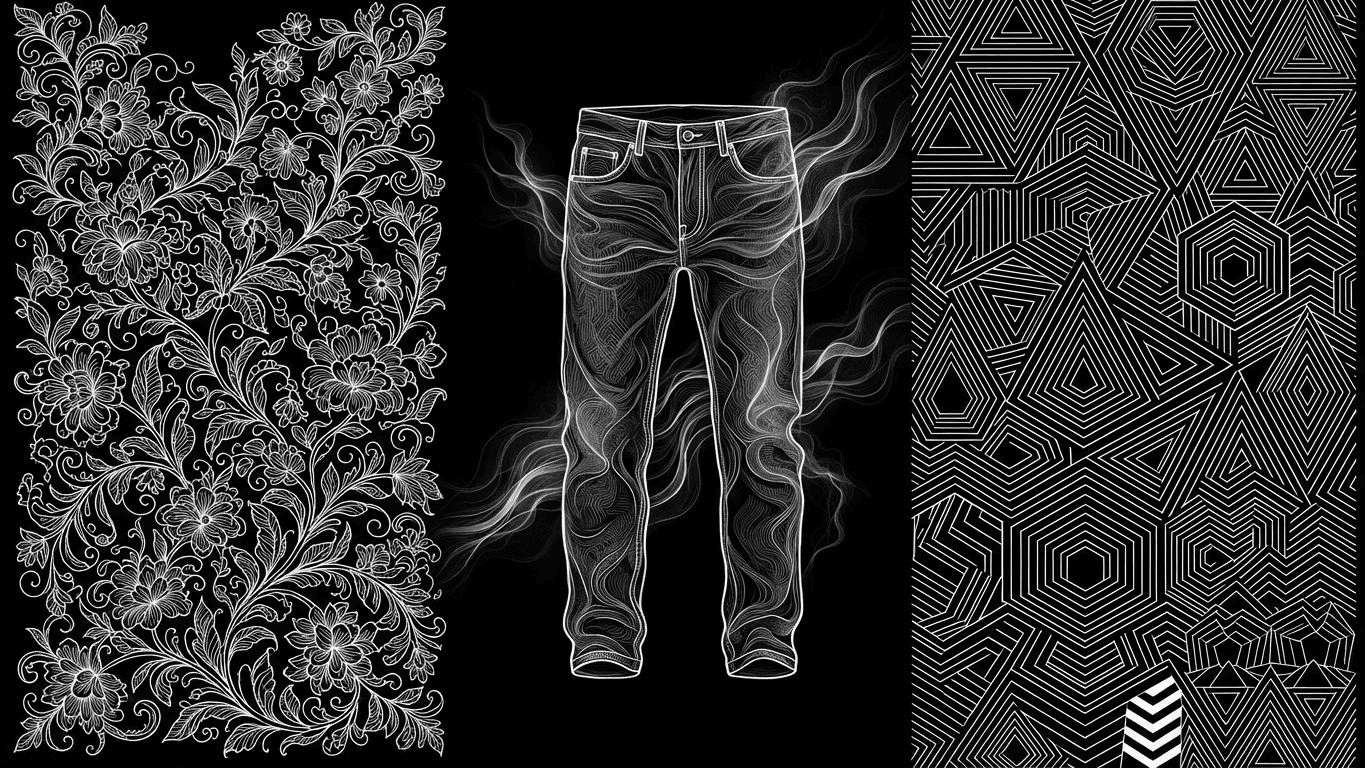
How do embroidered kurtas compare with printed dresses for fusion wear
How do embroidered kurtas compare with printed dresses for fusion wear
Fusion wear is no longer a niche experiment. It is how a large chunk of urban Indian women actually dress now. The question is not whether to go fusion. It is which direction to take it: embroidered kurtas or printed dresses. Both sit firmly in the indo-western space. Both work across occasions. But they do very different things for your wardrobe, your budget, and your personal style.
Here is a proper breakdown.
The basics: what each piece brings to the table
An embroidered kurta carries craft. Whether it is Chikankari, schiffli, mirror work, or zari, the embroidery is the point. It signals effort, heritage, and a level of detail that reads as intentional. Paired with jeans, wide-leg trousers, or a co-ord bottom, an embroidered kurta becomes a fusion piece without trying too hard.
A printed dress, on the other hand, leads with colour and pattern. Block print, bandhani, digital floral, abstract batik. The design is woven into the fabric itself, making it lighter on the eye and often easier to style. Printed dresses in fusion wear tend to feel more casual and vacation-ready, while embroidered kurtas can move between casual and semi-formal with ease.
┌──────────┬───────────────────┬───────────────────┐
│ Feature  │ Embroidered Kurta │ Printed Dress     │
├──────────┼───────────────────┼───────────────────┤
│ Vibe     │ Heritage & Craft  │ Modern & Easy     │
│ Context  │ Semi-Formal/Work  │ Casual/Travel     │
│ Effort   │ Medium Styling    │ Low (Wear-and-Go) │
└──────────┴───────────────────┴───────────────────┘
Comparing heritage craft against modern convenience.
Occasion versatility: which one goes further
This is where embroidered kurtas have a clear edge for most women.
According to Accio, over 65% of Gen Z consumers prefer fusion styles for office wear, with fusion wear gaining traction in both casual and professional settings. An embroidered kurta fits that brief perfectly. It has enough structure and craft detail to work in a professional environment, and enough cultural identity to feel authentic at a festive gathering.
Printed dresses are stronger in the casual and vacation categories. A georgette anarkali in a floral digital print is ideal for a weekend outing or a college event. It is less likely to work in a boardroom or at a formal family occasion.
The verdict: embroidered kurtas are more versatile across the occasion spectrum. Printed dresses win on ease and everyday wearability.
[OFFICE/FESTIVE] <--- Embroidered ---|--- Printed ---> [BRUNCH/VACATION]
The occasion spectrum: From work to weekend.
The demand signal: what people are actually buying
Apparel Resources reports a roughly 35% jump in demand as consumers want to mix traditional embroidery with modern cuts, with fusion drapes taking off across categories. That is not a small shift. It reflects a genuine appetite for pieces that carry craft without being costume-like.
At the same time, printed kurtas and tops hold strong search volumes. According to Accio, Google Trends data shows "women cotton kurti" peaked at a normalized search value of 99 between February 2025 and January 2026, while "women embroidered kurti" had very low and sporadic interest. This suggests that embroidered pieces may convert well in-store or through curated discovery, but printed and cotton styles dominate search intent.
Translation: people search for printed and cotton styles more often, but embroidered pieces are increasingly driving actual purchase decisions, especially in the fusion category.
Pricing: what to expect at each level
Budget matters, especially for Gen Z shoppers building a wardrobe with discretionary income.
According to JustDial, printed ethnic wear is typically priced at around ₹600 to ₹2,000, while festive embroidered kurtis are listed at ₹1,000 to ₹4,000. That gap reflects the labour and craft involved in embroidery.
The good news is that accessible brands have brought embroidered fusion pieces into the affordable range. At Youthnic, embroidered kurtas start as low as ₹599 — for example, the Maroon Georgette Chikankari Embroidered Summer Straight Short Kurti — and most fall well within the ₹699 to ₹1,499 range. Printed dresses sit in a similar bracket, with options like the Lavender Georgette Anarkali Digital Print Dress at ₹899. So the price difference at the entry level is smaller than the market average suggests.
If you are working with a tight budget, printed dresses offer more variety at the lower end. If you are willing to spend a little more for something that lasts and reads as elevated, embroidered kurtas are worth it.
Styling ease: which one is simpler to wear
Printed dresses win here. You wear them as-is. A georgette fit-and-flare in a floral print needs nothing more than block heels or kolhapuris and a pair of hoops. Done.
Embroidered kurtas require a bit more thought. What bottoms work? Straight pants, palazzos, or denim? Does the neckline need jewellery or does the embroidery do enough? These are not hard questions, but they do require a moment of consideration.
That said, the payoff for that extra minute of thought is a look that feels more composed and intentional. For women who enjoy the process of putting an outfit together, embroidered kurtas are more satisfying to style.
Fabric and comfort: day-to-night wearability
Most printed dresses in the fusion category are made from georgette, rayon, or cotton blends. These fabrics are lightweight and breathable, making them ideal for warm weather and long days.
Embroidered kurtas come in a wider range of fabrics: cotton blend, rayon, silk blend, georgette, and velvet for festive occasions. The fabric choice affects how the embroidery sits and how comfortable the piece is across a full day.
For summer and everyday fusion wear, cotton blend embroidered kurtas hit the sweet spot. They carry craft without adding weight or heat. For cooler months or festive occasions, silk blend or velvet embroidered pieces step up naturally.
The fusion wear verdict
Both categories belong in a fusion wardrobe. They are not competing with each other so much as serving different needs.
Choose an embroidered kurta when you want something that reads as considered, works across multiple occasions, and carries a craft story. Choose a printed dress when you want something effortless, vacation-ready, and easy to throw on without overthinking.
The strongest fusion wardrobes hold both. A Chikankari kurta paired with straight jeans for weekdays. A georgette printed anarkali dress for the weekend. That combination covers most of what life actually throws at you.
Frequently asked questions
Are embroidered kurtas suitable for everyday fusion wear? Yes. Lightweight embroidered kurtas in cotton blend or rayon fabrics are perfectly suited for daily wear. Pair with jeans or straight pants and minimal jewellery for a clean, effortless fusion look.
Which is better for office wear: embroidered kurtas or printed dresses? Embroidered kurtas generally work better for office settings. The structured craft detail reads as professional and polished. Printed dresses can work too, but opt for subtle prints and longer silhouettes.
Can printed dresses be considered fusion wear? Absolutely. A printed georgette anarkali or a digital print fit-and-flare dress with Indian motifs is firmly in the fusion category. It blends Indian design sensibility with western silhouettes.
What makes Youthnic a good place to shop for fusion wear? Youthnic is an Indian fashion brand for young women that blends contemporary western silhouettes with Indian-inspired design — think co-ord sets, fusion kurtas, and indo-western pieces priced accessibly for Gen Z. Most pieces fall in the ₹599 to ₹1,499 range, making it easy to build a proper fusion wardrobe without overspending.
Do embroidered kurtas cost significantly more than printed dresses? At the mass market level, the gap is smaller than you might expect. Printed dresses tend to start slightly lower, but embroidered kurtas at accessible brands are well within reach for most budgets.
If you are ready to start building that fusion wardrobe, the Grey Silk Blend Embroidered Kurta Sharara With Dupatta Set is a strong starting point for occasions that need a little more than a basic kurta. For printed dress energy, the Lavender Georgette Anarkali Digital Print Dress is the kind of effortless piece that earns repeat wears. And for a fusion kurta that bridges both worlds, the Bottle Green Georgette Embroidered Bandhani Print Kurta combines print and embroidery in one statement piece.
Explore more from Youthnic at youthnic.com
===================[ YOUTHNIC: FUSION REDEFINED ]===================
Youthnic: Fusion Redefined.